


It's sometimes said that God's plan went awry at the very beginning. The rest of history was supposed to be a great restoration effort, to restore everything to its original state. Throughout the timeline, you'll discover that MUCH MORE is at stake. God's purpose from the very beginning was to create a great community of people with whom He will live forever, in a unbreakable covenant of love. That's what He's working towards.
But love carries a risk. Without that risk, everything would have been meaningless.

The price of establishing the covenant of love was high. God knew this from the beginning. For it would only succeed if He Himself guaranteed it. Yet, He chose to start our world so that He could let us share in "His glory." What a remarkable decision! The Bible speaks of a counsel that God had already made before the foundation of world history:
“Blessed be the God and Father of our Lord Jesus Christ, who has blessed us with every spiritual blessing in heavenly places in Christ: even as He chose us in Him before the foundation of the world, that we would be holy and without blemish before Him in love” (Ephesians 1:3-4).
Even before the beginning of our history, God had planned to gather everyone together around His Son. He foresaw what would happen. He not only wanted to create humanity so they could share in His love, but was even willing to pay the price Himself. That's why the Messiah says that He didn't come to be served, but to serve Himself (Mark 10:45). That's how it works in the kingdom of heaven. What unfathomable, divine love! Here Paul points out that intention again (in one of the longest sentences in the Bible, as if he wanted to say everything in one breath 😉):
“In Him [Jesus] we have redemption through His blood, the forgiveness of sins, according to the riches of His grace which He made to abound toward us in all wisdom and prudence, having made known to us the mystery of His will, according to His good pleasure which He purposed in Himself, that in the dispensation of the fullness of the times He might gather together in one all things in Christ, both which are in heaven and which are on earth” (Ephesians 1:7-10).
This divine plan was fulfilled in the life and death of Jesus of Nazareth. He is the eternal Son of God, in the form of a vulnerable human being, who bears the cost of our human failings.
“Therefore when he came into the world he said, ‘Sacrifice and offering you did not desire, but a body you have prepared for me. In burnt offerings and sacrifices for sin you had no pleasure. Then I said, ‘Lo, I come—in the volume of the book it is written about me—to do your will, O God’” (Hebrews 10:5-7).
Why weren't sacrifices and grain offerings sufficient? Because they were nothing more than a foreshadowing of true atonement. Human means couldn't solve the real problem. The relationship between God and humanity could only be rectified and restored if God Himself took upon Himself the consequences of human sin. Only then could the covenant continue.
Herein lies the profound significance of Jesus' death. When he died, Jesus spoke the unfathomable words: "It is finished" (John 19:30). God's purpose, God's decree, was accomplished. He bore the cost of the covenant of love. Thus, the death and resurrection of the Messiah mark the turning point of our entire history, on the way to the eternal future.

At the moment God subjected creation to a curse (Genesis 3:14-19 / Romans 8:20), the consequences of which we still experience daily, He had already resolved to bear the consequences Himself. He symbolized this through the first animal sacrifice. He used an animal skin to clothe people and cover their shame (Genesis 3:21). Every subsequent sacrifice would remind God of His own purpose. Therefore, the sacrifices in the sanctuary service were pleasing to Him. Not to appease Him, as was the custom among the pagans, but because they were repeatedly a sign of His own plan of salvation. Already in the first promise He gives to humanity (Genesis 3:15), you hear the echo of His resolve. He will do it. And everyone, in whatever nation or generation, who has trusted in this promise, who has believed in God's sacrificial love, has been incorporated into His universal community.
The apostle Paul is at a loss for words to describe God's special counsel:
“O the depth of the riches both of the wisdom and knowledge of God! How unsearchable are his judgments and his ways past finding out! For who has known the mind of the Lord? Or who has been his counselor?” (Romans 11:33-34).
The prophet Isaiah said it this way 800 years earlier:
“For My thoughts are not your thoughts, neither are your ways My ways,” declares the LORD. “For as the heavens are higher than the earth, so are My ways higher than your ways, and My thoughts than your thoughts” (Isaiah 55:8-9).
You can ponder and philosophize about God's unfathomable thoughts, but ultimately, you'll be left speechless. This is forever. It is indeed "an everlasting gospel" (Revelation 14:6).
The execution of God's mega-project is staggeringly complex. Imagine a God who is super-smart, powerful, and omnipresent. Shouldn't such a superpower be able to accomplish everything? He can create extraordinary things, manipulate things to His will, and display His power in enormous projects. But what if His purpose is to create a community of people who love Him and each other with all their heart, soul, and mind? What would you advise Him in such a situation?
Perhaps you already have some answers ready. Many people have a ready answer to the question of what God should do. For example, He could start by solving our problems. He could also ensure that there is no more misery in the world. If all that were taken care of, we would surely be able to believe in Him. We might even come to love Him. But think honestly about this scenario. How long would the connection last? People in need know how to find their way to God, but when the wind returns to our sails, we all go back to doing it our own way. We bring God into our lives because we need Him, not because we love Him.
Within the Dutch theological landscape, there is one man who has paid considerable attention to the relationship between God's love and omnipotence: Kornelis Miskotte. Miskotte was a theologian who lived close to God and the people of his time. During the turbulent period of World War II, the question of God's power and love resurfaced with renewed force. Can the Almighty do nothing about it? Or does He simply not care about us? According to Miskotte, the core of this dilemma lies in a profound misunderstanding. We are naturally inclined to prioritize God's omnipotence in our thinking and to view love as a secondary quality. Omnipotence, after all, appeals to our fundamental experience of destiny. Yet, in God's project, it is precisely the opposite. He does not achieve His purpose through a grand display of power. God uses His power to embody the covenant of love. In this way, God's omnipotence takes on a completely different dynamic.
To persuade people to join in the covenant of love requires a great deal of divine knowledge, experience, patience, and insight. God's power is not primarily seen in flashy things, but in small miracles. Through a smile, a change of heart, the curtailment of an evil action, a confluence of events, or a single, memorable quote, He leads people to His project. It is precisely in such seemingly small things, which contribute to the growth of His covenant, that God's greatness is revealed. In weakness, His power is revealed. In what seems foolish to the world, His wisdom is revealed. Through Christ's suffering, the power of darkness has been dethroned. God's way with us humans is foreign to those focused on power, status, intelligence, immediate results, and self-interest. It is different because His purpose is different. But He will fulfill it in His own unique way. The promise is our anchor. “And we have also the prophetic word made more certain, to which you do well to pay attention, as to a lamp shining in a dark place, until the day dawns and the morning star rises in your hearts” (2 Peter 1:19).
God made a decision even before the beginning of our world's history. The most important decision ever made. To understand this, we'll zoom in on an event that preceded creation.
Before God created humans, He created other beings: angels. Angels have different qualities than humans. For example, Jesus says that angels, unlike humans, cannot reproduce (Mark 12:25, marriage and sexual intercourse are inextricably linked in God's eyes). There are also similarities. Angels are intelligent and can communicate. They are always in specific places and are in their element when they are serving. Like humans, angels are not immortal in themselves. In the Bible, angels play an important role, both positively and negatively. But before our time began, something happened. There was a spiritual rebellion in the heavenly realms.
We learn more about this in a few passages of the Bible. Isaiah 14 and Ezekiel 28 speak of the rulers of Tyre and Babylon. But it is clear that the reference is made over their heads to the spiritual power that operates through these kingdoms. For example, Isaiah says: "How you are fallen from heaven, O Lucifer, son of the morning!" (Isaiah 14:12). And Ezekiel: "You were a cherub who spreads his wings to cover..." (Ezekiel 28:14). Behind the former powers of Babylon and Tyre lies a different reality.
As Paul would later say, we are not primarily dealing with human interests, but with a spiritual battle. Therefore, he advises the Christians in Ephesus: “Put on the whole armor of God, so that you can be able to stand against the devil's schemes. For we do not wrestle against flesh and blood, but against the rulers, against the authorities, against the world rulers of this darkness, against the spiritual hosts of evil in the heavenly places” (Ephesians 6:11-12). Isaiah and Ezekiel describe the fall of a prominent angel, who is sometimes called Lucifer in history, because of the term “morning star” (in Isaiah). He becomes Satan, the adversary of God. Part of the angels joined in this rebellion and degenerated into what we now call demons (Jude 6). The book of Revelation describes a battle between the angels who remained faithful to God against the fallen angels (Revelation 12:7ff). So there has been a spiritual battle and it is still going on.
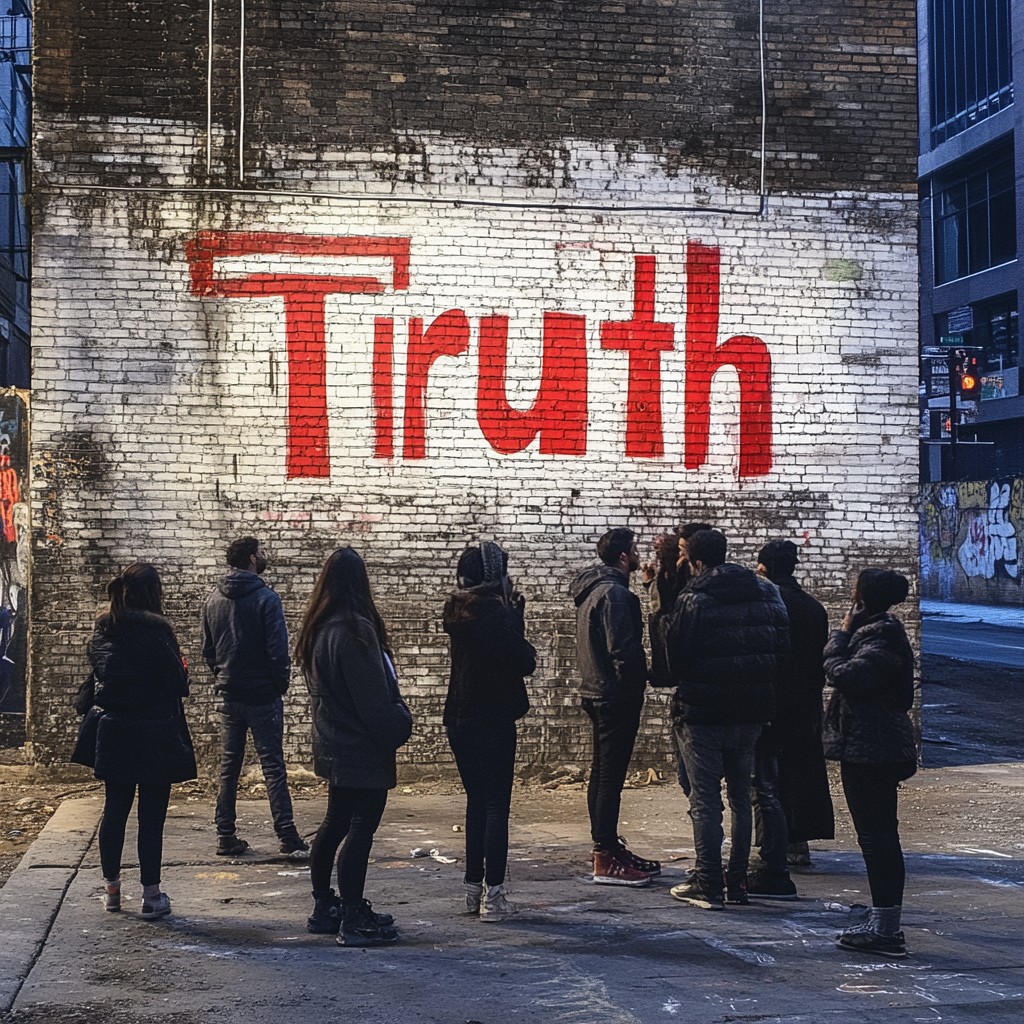
For most Westerners, the existence of these spiritual powers belongs to the category of a figment of the past. In (medieval) art, the devil is often depicted in a somewhat ridiculous way, leading many to relegate his existence to the realm of fairy tales. Yet, throughout history, there have been countless experiences with supernatural powers and forces. In the Western world, too, more and more people are becoming involved in the supernatural. In other regions of the world this is already part of every day life. The existence of spiritual powers is not a fairy tale. The devil and his anti-divine team are a reality, and they have impacted our lives since the beginning.
The existence of such a spiritual warfare raises a difficult question. It is the question of the origin of evil. If only God is eternal and He is perfectly good, how could evil and injustice ever have entered the world? Isaiah and Ezekiel offer clues. “Because of your beauty your heart was haughty…” states Ezekiel (28:17). The devil is described as a highly intelligent and beautiful being. God created only good things. Yet, it is said of this angel that one day “iniquity was found in you” (28:15). Isaiah explains what that iniquity was: “And you said in your heart, ‘I will ascend into heaven, I will exalt my throne above the stars of God… I will be like the Most High’” (Isaiah 14:12-15).
The essence, the source of the injustice, seems to be that he withdrew from the Most High and began to attribute all the good that God had created to himself. He questioned God's intention - which is an extremely important factor throughout the Bible and this timeline - and wanted to be equal with God. So God did not create evil, but He did create free creatures, thus creating the possibility of evil. For this kind of pride is the source of all evil. Incidentally, the fact that the devil was (and is) so talented explains his influence. Over time, he has "helped" countless people to produce beautiful music, films, and art. To develop theories and strategies. To achieve financial success. And to do many other things. Only always with an ulterior, destructive purpose. What is beautiful can still be morally reprehensible. The question is, how do you use the good that God has given you?
This brings us to the beginning of world history. Creation was indeed entirely good, but a spiritual battle had apparently already begun in the background. In the Garden of Eden stood a real but also symbolic tree connected to that story: the tree of knowledge of good and evil. The devil came to disturb the peace. He did exactly what he himself did before: questioning God's intentions and tempt humanity to become like God. Through the choice of our earliest ancestors to go along with this, these evil forces gained a foothold in our history. Pride also took root in our own human hearts. The rift between God and humanity would have far-reaching consequences.
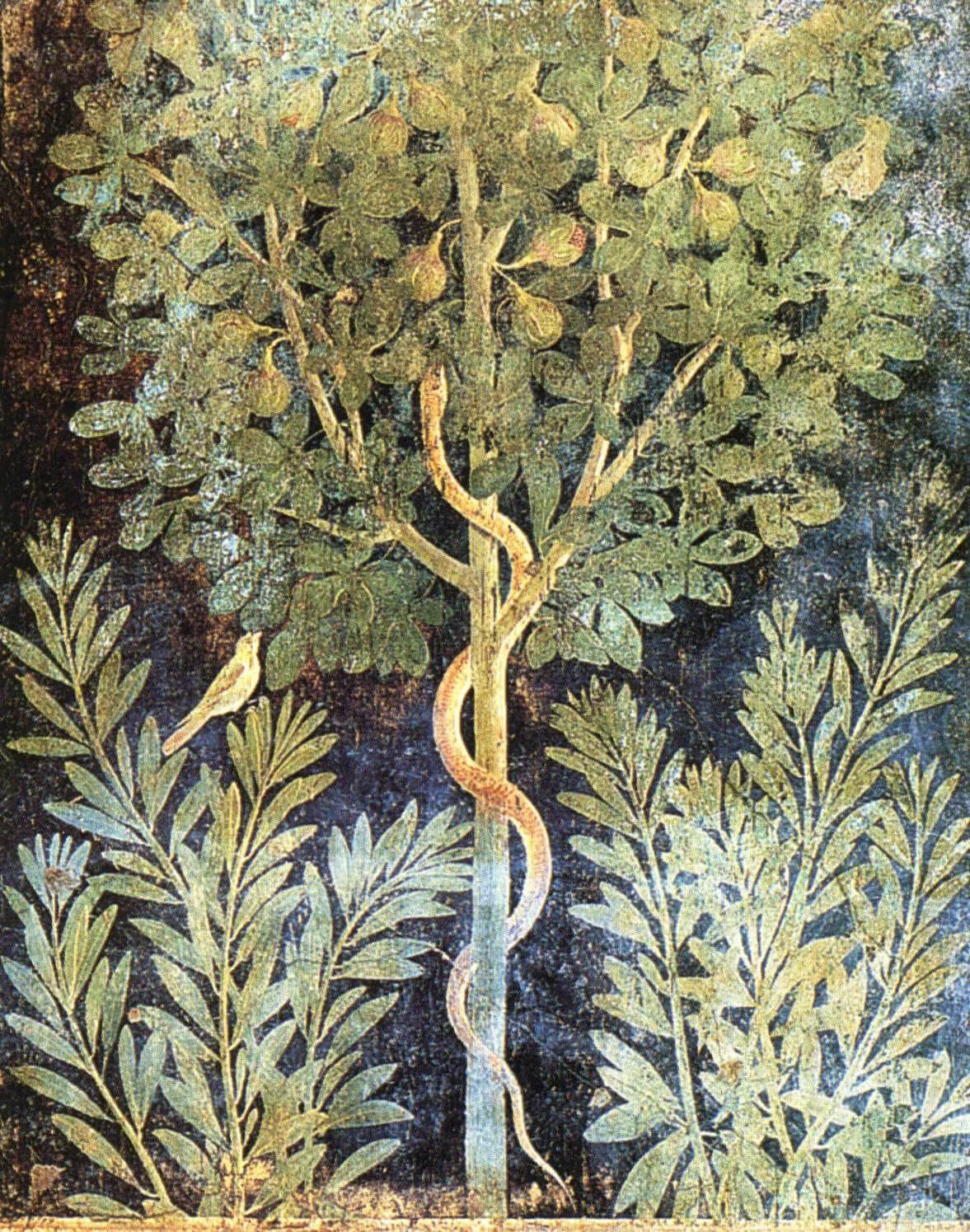
Visual by Marisa Ranieri Panetta.
Immediately after the fall of Adam and Eve, God had the promise and His plan already in place (Genesis 3:15). Throughout that magnificent history, God would definitively remove all doubt about His intentions. He would serve humanity, and pay the highest price out of His love, thus debunking the lie about His intentions once and for all. Thus, throughout our wondrous world history, God is growing His community for which He has laid the foundation Himself. A foundation for an eternal, steadfast, and UNBREAKABLE covenant of love. Let's further investigate how this story unfolded.